We all know that changing to a plant-based diet can reduce our impact on climate change. PETA claims that becoming vegan can reduce an individual’s carbon footprint by 73%. But have you thought about changing your fashion choices, too? These 7 top vegan leather facts show you why it is a sustainable fashion choice and how it can help you be more eco-friendly. Check them out!
Why We Chose Vegan Leather for Our Medical Bags
In 2017, the Copenhagen Fashion Summit reported conclusively that:
“Synthetic leather is less harmful to the planet than cow leather”
Their research considered the impact of global warming, water usage and toxic chemicals in an analysis of real versus vegan leather manufacture. Findings showed that the production of PU vegan leather has only 1/3 of the impact on the environment compared with the production of leather from cows.
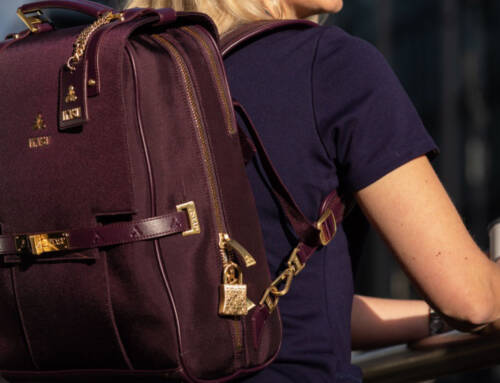
As if we needed any more reasons to make our IYASU doctors bags from vegan leather. Also, we will keep improving our eco-friendly credentials and move to more sustainable alternatives once they become commercially available.
What better way to choose beautiful, sustainable fashion without compromising your ethics. But let’s get to our top vegan leather facts to help you make more sustainable fashion choices, too!
7 Top Vegan Leather Facts
1. Why Not Use Real Leather?
Apart from animal welfare, the process of leather manufacture has an enormous negative impact on our planet, global warming, biodiversity, and the health of the people who work in leather tanneries, and the people who live nearby.
That was reason enough for us to move towards more sustainable fabric choices. Here are the most
2. Why is Vegan Leather Better for the Environment?
The annual global impact of animal leather is approximately 130 MT CO2e, which is equivalent to the emissions of 30 million cars each year.
In Brazil, particularly, vast areas of tropical rainforest have been cleared to create pasture and land for animal feed crops. This has caused a devastating loss of biodiversity.
The loss of millions of mature trees contributes to rising levels of carbon dioxide. On top of this, cattle produce methane, which is 20 times more potent than carbon dioxide in causing global warming.
3. The Ethics of Vegan Leather vs Animal Leather
Many people are happy to wear leather on the grounds of a “waste-not, want-not” philosophy as they believe that leather is a by-product of the meat industry. However, this is not a straight-forward conclusion.
The selling of animal skins can, in some instances, be more profitable for farmers than proceeds from the meat. An example of this is ostrich farming in South Africa, where the ostrich skins account for 80% of the birds’ value.
It may therefore be argued that, by purchasing leather goods, one is supporting the meat industry and its negative impact on the environment.
The leather industry is worth billions of dollars annually and is a key financial driver of animal agriculture. It is naïve to think that the leather would have gone to waste if someone didn’t buy it.
4. Animal Welfare
The majority of leather comes from countries where animal welfare is firmly at the bottom of the list of priorities. Animals may be kept in “factory farms” where they are packed as tightly as possible, unable to run around or even lie down. Many sustain injuries or die of infections prior to being transported to slaughterhouses.
The softest leathers come from the skins of new-born calves, separated from their mothers far too early. Just because it is expensive, don’t assume that your handbag previously led a happy life.
5. Toxic Chemicals
Whilst some ethical companies are using vegetable dyes to tan leather, it is still commonplace and more profitable for leather to be tanned using heavy metals such as chromium. This is a quick, cheap but toxic process.
The effluent from these tanneries contains high concentrations of chemicals which are carcinogenic. They also cause dermatological problems, infertility and birth defects.
The toxic waste seeps into local water supplies and farmland contaminating drinking water and food. Workers in these factories and people who live in the surrounding areas have higher rates of lung cancer and leukaemia than the rest of the population.
In addition, the high nutrient concentrations in the effluent from leather tanneries cause algal blooms in local rivers which deplete oxygen in the water and cause death of fish and animal species living in these habitats.
6. But isn’t Leather Biodegradable?
Unfortunately, the process of tanning denatures the proteins in leather and makes it resistant to decomposition.
Archaeologists have frequently found leather items dating back 12,000 years!
7. Sustainability & Ethics
When choosing vegan leather, you can be sure that there is no harm to animals, a lower carbon footprint, and less harm to the people involved in the manufacturing process.
Clearly, this is not the perfect alternative to leather, as plastics are used and the discarded materials will take a long time to decompose.
But the sustainable fashion movement is growing. And we’re proud to be among companies who aim to make quality products which are classically fashionable, professional and durable while standing against fast fashion and unnecessary waste.
We hope that these top vegan leather facts have shown you how using it can help you reduce the eco-footprint on the world for years to come.