Racism in medicine is something we need to tackle to create a more equal and fair society. And whilst we cannot undo the wrongs of past generations, we must acknowledge them. This way we can change our practice and right the wrongs which still persist today.
Have a look at this unsettling account of racial discrimination and historical abuse committed in the name of medical science.
Racism in Medicine
Racism in Medicine began with Hippocrates. He hypothesised that Europeans were hardier than feeble Asiatic races because of their exposure to more varied weather patterns. He speculated that the changeable climatic conditions Europeans endured made them resilient, adventurous, and courageous. Contrastingly, homogeneous environments made people lazy and complacent. For centuries white supremacists have used invalid “scientific” theories to inexcusably dehumanise, abuse, and exploit the Black community.
Historical beliefs included:
- Black people’s pain thresholds were much higher than white people’s, such that they rarely experienced any pain at all.
- Their skulls were thicker and grew too fast, thus restricting brain size and making them intellectually inferior.
- Poor health was the status quo for Black people.
- Intermarriage resulted in genetic disharmonies, and mixed-race children were morally and intellectually inferior. Thus, laws were passed at the end of the 18th Century in the USA and South Africa to prohibit mixed-race marriage.
These wholly unjustified beliefs were the basis for appalling experimentation on Black people.
The Father of Modern Gynaecology
Dr James Marion Sims infamously operated on several enslaved Black women who had suffered complications of childbirth. Anarcha Westcott was just 17 years of age when she gave birth to a stillborn baby. (The father was most likely the owner of the plantation she worked on, or possibly Dr Sims himself). The trauma she suffered during labour led to both a vesicovaginal fistula and a rectovaginal fistula, resulting in her having no control over continence of urine or faeces. Sims made her strip naked and position herself on her hands and knees so that he could examine her vagina. Between 1845 and 1849 he operated on her 30 times without anaesthesia or consent.
Having perfected his technique, he opened a hospital in Montgomery for white women where he routinely administered anaesthesia for his operations.
Sims also committed abhorrent acts against Black babies. He believed that Black babies had a higher rate of neonatal tetanus because their skulls did not grow as fast as those of white babies, (not because of the squalid living conditions in which the slaves were imprisoned). To test his theory, he used shoemakers’ tools to prise apart the skulls of Black infants. Most of the babies died and he blamed their deaths on their inferior intelligence.
The bestowal of the paternal title “Father of Modern Gynaecology” on this monster and his immortalisation through multiple works of art is telling of the enduring white supremacist denial of historical crimes. His statue was only removed from Central Park, New York in 2018.

Tuskagee
Between 1932 and 1972, the United States Public Health Service (USPHS) conducted a study to record the natural history of syphilis. The “Tuskagee Study of Untreated Syphilis in the Negro Male,” recruited 600 Black men, 399 with syphilis, 201 without. The true purpose of the research was not explained to the patients, who instead believed they were fortunate to be involved in a special government funded healthcare program. The men received free medical exams, meals on examination days, and burial insurance.
Although no known cure existed for syphilis when the study began, penicillin was established as an effective treatment by 1943, and was widely available by 1947. Despite this knowledge, treatment was withheld from all members of the Tuskagee group and researchers continued to document the progressive effects of tertiary syphilis including severe headaches, muscle weakness, paresis, personality change, dementia, blindness, and deafness. This appalling violation of trust cost many Black men, as well as their wives and children, their health, and ultimately, their lives.
In 1996 President Clinton publicly apologised to the surviving participants and families of the deceased, for the physical and psychological damage done by this deplorably unethical study.
Further Experimentation with Sexually Transmitted Diseases
The same organisation conducted studies on the Guatemalan community between 1946-1948. They deliberately infected 2 female community sex workers (prostitutes) with syphilis – by intracervical inoculation with infected rabbit tissue – before offering their sexual services to 12 volunteer male prisoners at a Guatemalan penitentiary centre.
The researchers were disappointed to note that, despite a lack of condoms, virtually none of the detainees caught syphilis. It is possible that a couple developed asymptomatic infection.
In light of these uninteresting results, the scientists changed tack and explored the possibilities of directly infecting patients in a Guatemalan Asylum for the Insane. This facility was described as “desperately and pathetically poor, both financially and in terms of personnel and medical attention.” Subjects were inoculated with a solution of viable Treponema Pallidum, (the bacteria which causes syphilis), by placing a soaked cotton ball under the foreskin of their penis. This too proved rather ineffective, but it was soon realised that intracutaneous injection into the foreskin or an arm were better methods of transmission. Some were given the bacteria orally, whereas others were administered an injection directly into the CSF (cerebrospinal fluid) of their spinal canal. In total, 682 patients were exposed to infection. They were given cigarettes in return for their services. Unlike the Tuskagee experiments, all were subsequently treated with penicillin.
Gonorrhoea
In another arm of the USPHS Guatemalan research, 12 female sex workers were inoculated with gonorrhoea and forced to have sex with a total of 93 male soldiers. Only 5 men became infected.
Researchers once again resorted to directly inoculating patients in a mental asylum. A toothpick wrapped in cotton was inserted ½ inch into the urethra of each patient. In total, 772 subjects were exposed to gonorrhoea and 214 tested positive. One woman was inoculated in the urethra, rectum, and conjunctiva of both eyes. She was simultaneously exposed to syphilis. There was no documentation of consent by any of the patients.

Resurrectionists
The medical abuse of Black people continued even after their death. In the mid to late 1800s stories abounded of “night doctors” and “resurrectionists” who robbed Black graves and murdered Black Southerners after dark. The bodies of the dead were sold to medical colleges to teach students about human anatomy.
Henrietta Lacks
“Can you tell me what my mama’s cells really did?” he whispered. “I know they did something important, but nobody tells us nothing.”
– Lawrence Lacks, son of Henrietta Lacks
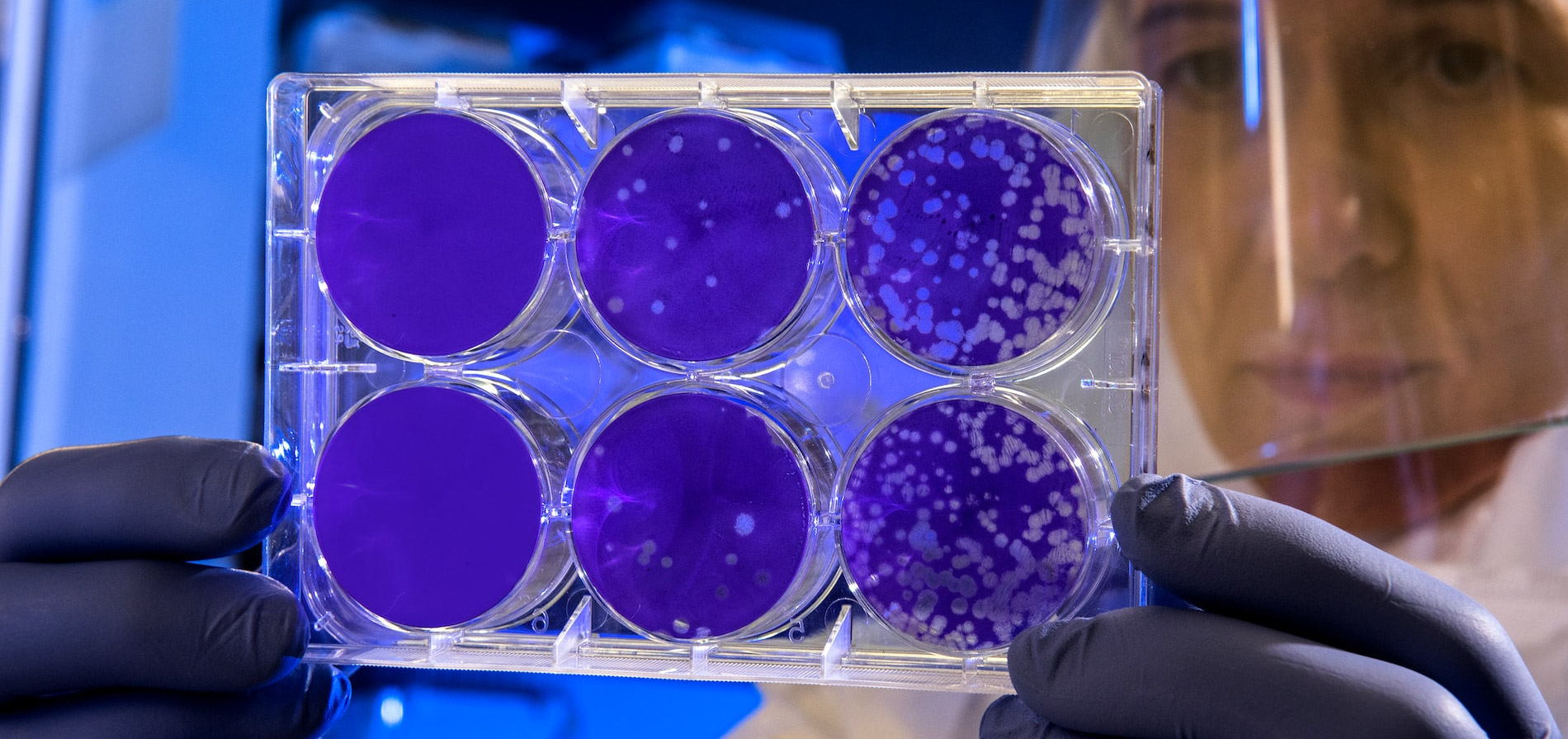
Henrietta Lacks was a 31-year-old, African American mother of five. In January 1951 she attended Johns Hopkins Hospital, seeking treatment for cervical cancer. Unfortunately, her tumour was aggressive and advanced, and she died later that year. However, prior to her death, a surgeon placed cells from a biopsy of her cervix into a petri dish, observing that they miraculously doubled in number over 24 hours. Scientists had been trying to culture human cells for decades, with no success. Henrietta’s cells continued reproduce ceaselessly and became the first immortal human cells ever grown in a lab.
Laboratories around the world have since found “HeLa” cells invaluable for their research. They have been used to determine genetic causes of cancer, develop targeted chemotherapies, study in vitro fertilisation, discover a polio vaccination, and find new treatments for herpes, leukaemia, influenza, haemophilia, Parkinson’s disease, and Covid-19. HeLa cells have even been to space to determine what happens to human cells in zero gravity.
One scientist calculated that if you could lay all HeLa cells ever grown end-to-end, they would wrap around the Earth at least three times.
However, nobody ever asked Henrietta for consent to use her cells, and nobody told her family. None of the bio-technology companies that profited passed any money back to her relatives, and for decades doctors failed to ask her descendants for consent as they gave her medical records to the media, and published her genome online.
The Henrietta Lacks Foundation was established in 2010 to award grants to Lacks’ descendants, and to family members of others whose bodies have been used for research without consent.
Irradiation Experiments
In 1945, as America was preparing to detonate the first atomic bomb, research on the effects of radioactive materials was begun to determine the effects of radiation on the human body. Most of the subjects were poor, powerless, and sick, and African Americans made up a disproportionately high number of those exposed.
Ebb Cade was the first – he was a 53-year-old African American man who happened to be in the wrong place at the wrong time. Having sustained multiple fractures in a car crash on the way to work, he was admitted to Oak Ridge Hospital, Tennessee. Doctors identified him as “a well-developed, well-nourished coloured male” who was suitable for “experimentation.” They left his fractures untreated for 20 days and, without his knowledge or consent, administered an injection of 4.7 micrograms of plutonium to him. They subsequently analysed repeated blood and urine tests. When surgeons finally fixed his fractures, they took bone samples for their research and extracted 15 of his teeth. Ebb understandably took his own discharge. A total of 18 people were injected with plutonium, amongst them, a 4-year-old child.
In Cincinnati, Dr Eugene Sanger picked his subjects from the “slums” because “these persons don’t have any money and they’re black and poorly washed.” He wanted to demonstrate how exposure to radiation would affect soldiers. Dozens of cancer patients, who thought the treatment would help them, were exposed to total and partial body irradiation with Cobalt-60. The dose was equivalent to 20,000 chest x-rays. They experienced nausea, vomiting, diarrhoea, anorexia, haemorrhage, fatigue, cognitive impairment, and hallucinations. ¼ died within 2 months and ¾ died within a year.
Eugenics
During the 20th century, doctors in the USA forcibly sterilized more than 60,000 people. This practice predominantly discriminated against Black and Indigenous Americans, immigrants, women who were deemed mentally or morally unfit, the poor and the disabled. In North Carolina, Black women were sterilized at more than 3 times the rate of white women and more than 12 times the rate of white men. The involuntary sterilization of Black women was so common it began to be referred to as the “Mississippi Appendectomy.” This practice of subjecting women to unwanted permanent birth control procedures continued in female prisons until 2010.
Higher X-Rays Doses for Black People
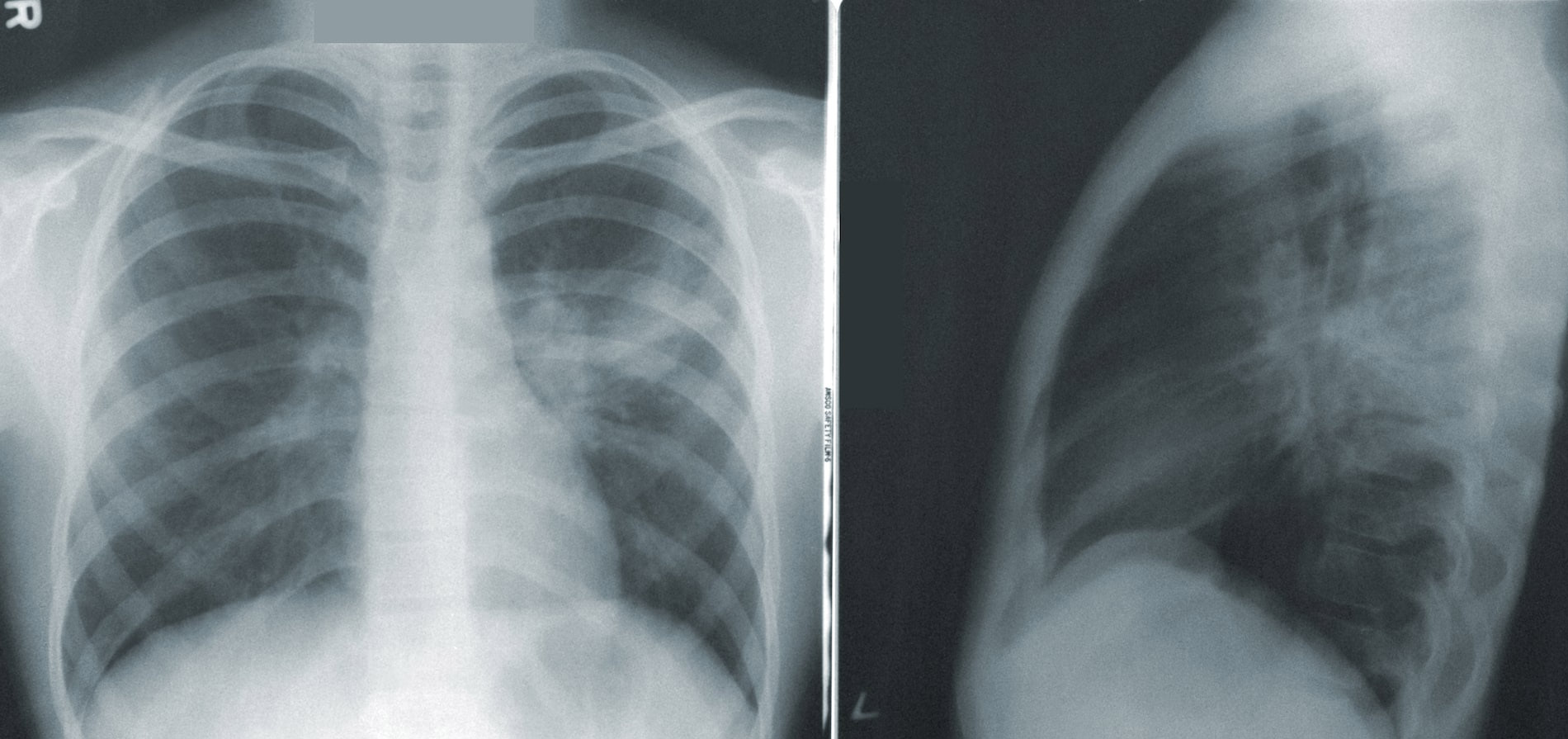
Ideas about racial differences in bone, skin and muscle thickness perpetuated throughout 20th Century, with scientists asserting that “The skeleton of the Negro is heavier, the bones thicker and denser.” This belief led radiologists to use higher radiation exposure during x-ray procedures. In the 1950s and 1960s Black patients who required an x-ray were routinely given doses of radiation 40 to 60% higher than white patients. It was not until 1968 that doubts about the validity of these unsubstantiated claims were voiced, and differences in bone density of all races was attributed to factors such as nutrition and exercise.

Biological Risks
Possibly the most famous case of biological warfare was the gifting of smallpox impregnated blankets and handkerchiefs to indigenous people. This mendacious strategy was employed by White Europeans and white Americans to commit genocide against American Indians in the 18th Century. A smallpox epidemic swept through their tribes, resulting in the loss of millions of lives.
200 years later, the US army continued to experiment with biological weapons. In 1951 large numbers of Black citizens were unwittingly exposed to Aspergillus fumigatus to determine whether they were more susceptible to the potentially lethal effects of this fungus. Between 1956 and 1958 the US Army intentionally released mosquitoes infected with a strain of yellow fever in poor Black communities of Savannah, Georgia, and Florida.
Conclusions: Racism in Medicine
Centuries of shameful exploitation have undoubtedly led to mistrust of the Black community in modern medicine. We would also be wrong to assume that racial inequalities do not still exist. Racial and ethnic minority groups continue to experience worse health outcomes from preventable and treatable conditions. They are also less likely to receive adequate information about their medical problems, and more likely to feel a lack of empathy from their physicians.
Clearly, underlying socioeconomic factors like education, unemployment and poverty contribute to heath inequality, but the following statistics are evidence that endemic, systemic racism in healthcare continues.
Disparities in healthcare
- Black people are still undertreated for pain, often receiving up to 50% less analgesia than their white counterparts with the same conditions.
- Black women are three times as likely to die due to complications of pregnancy or birth than white women.
- Black people have the highest mortality and shortest survival of any racial/ethnic group in the United States for most cancers.
- Black women are 41% more likely to die of breast cancer than white women, despite a lower incidence of the disease.
- Immunisation uptake is lower in Black communities.
- Black people have lower rates of coronary angiography and coronary artery bypass grafting than white patients after adjustment for confounding factors.
- Before age 50, African Americans’ heart failure rate is 20 times higher than that of whites due to unaddressed risk factors such as diabetes and hypertension.
- Until 2021 unnecessary race adjustments in eGFR (estimated glomerular filtration rate), an indicator of kidney function, overestimated renal health in Black people, thus denying life-changing renal replacement therapy to thousands.
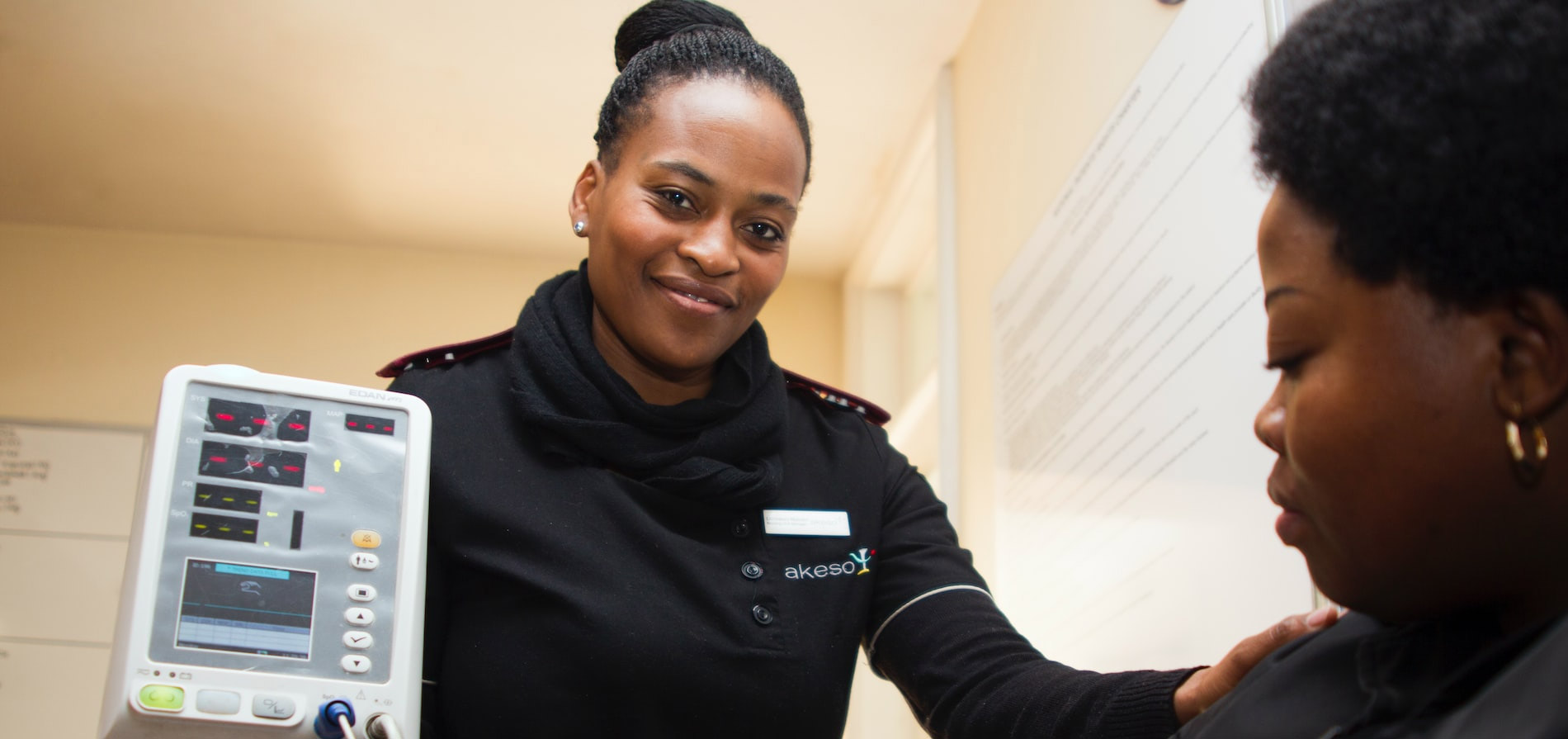
- Traditional pulse oximeters overestimate oxygen levels in people with dark skin tones. During the Covid Pandemic this resulted in patients of Black, Asian, and Hispanic origin receiving less supplemental oxygen than white people.
- Dermatological conditions affecting skin of colour are under-represented in textbooks and online resources. As symptoms may manifest differently depending on skin tone, this lack of information is likely to lead to late or misdiagnosis.
- African Americans partake less frequently in medical research studies, meaning that developing treatments are not specifically tested for them and may not work in their population.
To address these inequalities, representation of racial and ethnic minorities in leadership must increase. The future generation of doctors need role models they can identify with to inspire them. Undoubtedly, a more inclusive and diverse healthcare workforce will also enhance patient experience and assist ethnic minority populations to access care.
However, systemic barriers to career progression remain at all levels. Since the introduction of Nobel Prizes in 1901, only 17 out of 943 laureates have been Black. No Black scientist has ever been awarded the Nobel Prize for chemistry, physics, physiology, or medicine. Black and Asian doctors often feel culturally excluded and undervalued. Ethnic minority medical students report bullying and harassment at four times the rate of their white peers, and there continues to be a lack of uptake of STEM subjects (science, technology, engineering, and maths) by Black school pupils.

Initiatives to Address Health Inequality
In the UK, The BMA’s equality, diversity, and inclusion advisory group aims to celebrate and support diversity in medicine.
The 2021 Work-Race-Equality-Standard Report conducted by the NHS showed that Black and ethnic minority women were particularly disadvantaged. The NHS have asked employers to improve diversity through inclusive recruitment processes and instituting workplace policies and processes to help tackle racism.
The widening participation in medicine initiative seeks to give the opportunity to anyone who has the ability and desire, to enter a medical career.
Many medical schools are now including anti-racism training in their curriculums.
The American Medical Association’s “Doctors Back to School ™ program introduces children to professional role models, demonstrating to underrepresented racial and ethnic groups that a career in medicine is attainable for everyone.
Partnerships between universities such as Oklahoma State University and sovereign tribal governments are making progress in increasing the number of American Indians entering physician training.
The Wade Scholarship Program seeks to mitigate the underrepresentation of people of African descent in STEM by providing financial support.
In Canada, the Black Student Application Program (BSAP) has significantly increased Black medical student representation.
These initiatives provide hope for a more inclusive future of healthcare that treats all of humanity equally. But in the words of Rosa Parks “We still today have a long way to go and we have to continue our work.”