Women Medical Pioneers

Our vegan medical bags have been inspired by and named after some of the most remarkable women medical pioneers:

Women Medical Pioneers who inspired us - Elizabeth Blackwell

The Elizabeth

Elizabeth Blackwell (1821 – 1910)

One of the earliest women medical pioneers, Elizabeth Blackwell was the first woman to qualify as a doctor in the USA, graduating first in her class in 1849.

She was the first female to be registered by the GMC to practice medicine in the UK in 1959. Amongst her many remarkable lifetime achievements Elizabeth founded The New York Infirmary for Women and Children, opened The Women’s Medical College in New York, and formed the National Health Society, which aimed to educate people about the benefits of hygiene and healthy living. Throughout her lifetime Elizabeth was a strong advocate of women’s rights, campaigning for the right of British women to be allowed to study for medical degrees. She also fought to abolish slavery.

The Elsie

Elsie Inglis (1864 – 1917)

Elsie Inglis became one of Scotland’s first female doctors when she qualified in 1892, having studied in Edinburgh and Glasgow.
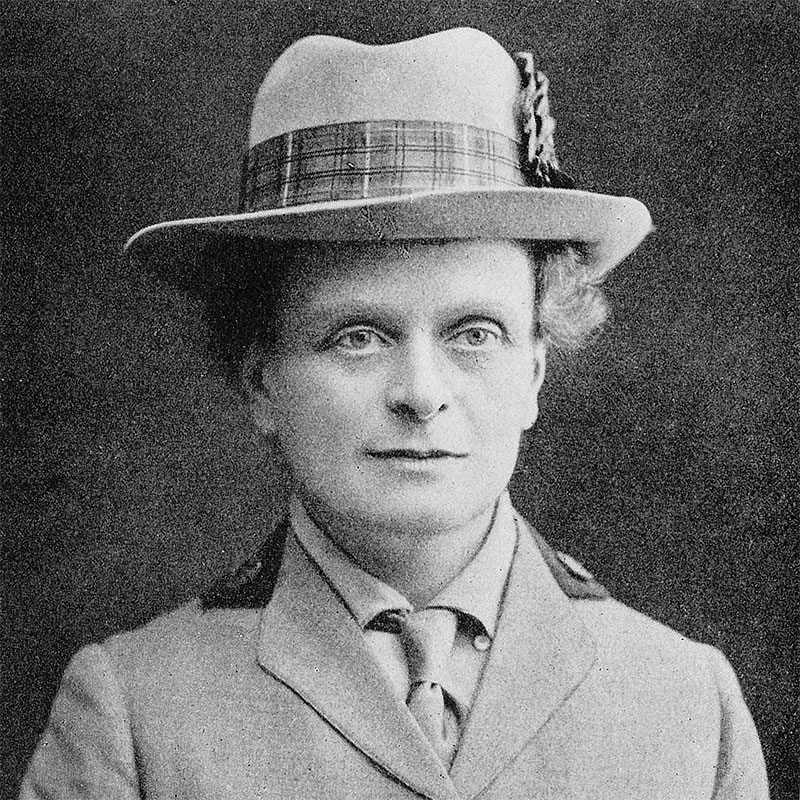
She gained the triple qualification of Licentiate of the Royal College of Physicians of Edinburgh, the Royal College of Surgeons of Edinburgh, and the Faculty of Physicians and Surgeons of Glasgow. Elsie founded the Edinburgh College of Medicine for Women and opened a hospital for poor women called The Hospice which provided Accident & Emergency and Maternity services for poor women. She was caring and generous and regularly waived fees owed by her patients.  She was also a suffragette and fought tirelessly for women’s rights and improvements in women’s healthcare. During the First World War Elsie founded “Scottish Women’s Hospitals” and her all-female staff provided medical care for soldiers in Belgium, France, Serbia, and Russia. Sadly, Elsie developed cancer during her service in the War and died in Newcastle in 1917, one day after she landed back on British soil.
Women Medical Pioneers who inspired us - Elsie Inglis
Women Medical Pioneers who inspired us - Virginia Apgar

The Virginia

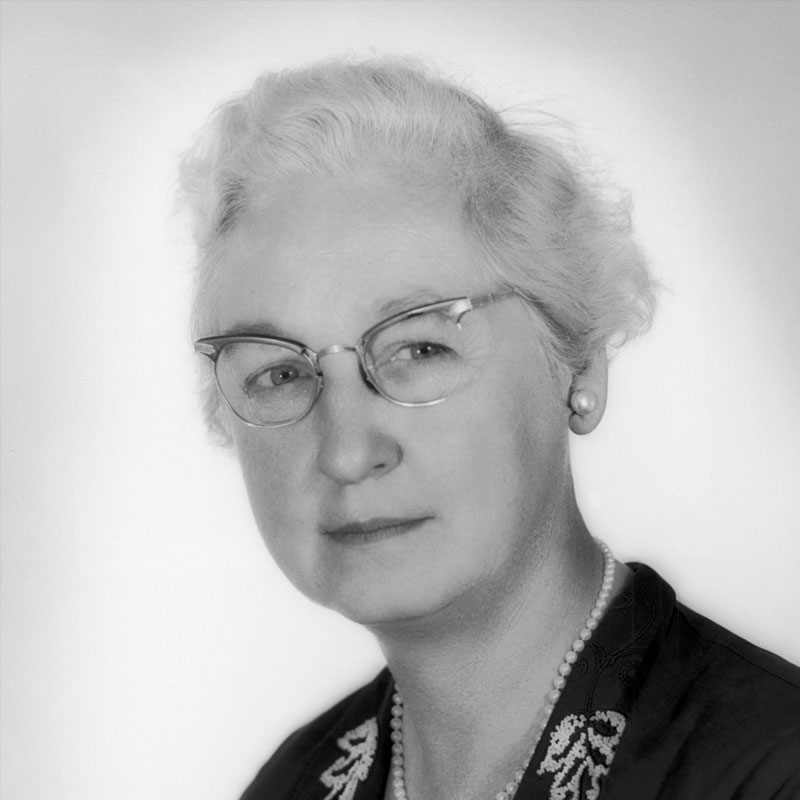
Virginia Agpar (1909 – 1974)

Virginia Apgar is most remembered by the scoring system she invented in 1953 which proved transformative in infant survival.
Appearance, Pulse Grimace, Activity, Respiration.

Virginia graduated from Columbia University College of Physicians and Surgeons in 1933, one of only 9 women in her class of 90 students. After completing a surgical residency, she chose to follow a career in the relatively new and increasingly complex specialty of Obstetric Anaesthesiology. In 1949 she became the first female professor in the University’s history.

Virginia’s life-long passion was the pursuit of better maternal and infant healthcare. As well as her tremendous invention of the Apgar Score, Virginia realised that many drugs could cause foetal malformations. She travelled around the USA raising awareness of this.

In 1964/65 Virginia witnessed the devastating result of the Rubella Pandemic as tens of thousands of babies were born deaf and blind. She subsequently campaigned tirelessly for the Rubella vaccination to be adopted globally.

Painfully aware of health inequalities, she worked closely with a charity to fund prenatal care for at-risk and under-served communities and provide intensive care for premature babies. The “March of Dimes Foundation” continues to work to end preventable preterm birth and infant death.

This remarkable, vivacious woman taught throughout her career and never retired from being a doctor.

The Catherine

Catherine Hamlin (1924 – 2020)

Another one of our women medical pioneers, Catherine Hamlin was an inspirational, visionary female doctor. She spent her life pursuing a quest to treat and prevent traumatic birth complications in Ethiopia.

Due to a desperate lack of maternal care, young women suffered prolonged labours lasting days, frequently resulting in stillbirth and causing fistulae into the rectum or bladder. The affected women were ostracized by their communities due to uncontrollable leakage of faeces or urine.

During her lifetime Catherine treated around 35,000 women with obstetric fistulae, giving them dignity and hope. She opened the Addis Ababa Fistula Hospital in 1974, which is now a global centre of expertise, where obstetric surgeons from around the world come to train. Each patient receives counselling, physiotherapy, access to numeracy and literacy programs, and leaves with a new dress, made by the hospital’s seamstresses.

Catherine also established the Hamlin College of Midwives in pursuit of her goal to have a midwife in every village. The Catherine Hamlin Foundation continues to restore the health and dignity of women who have suffered birth injury.

Women Medical Pioneers who inspired us - Catherine Hamlin
Patricia Bath – Women Medical Pioneers who inspired us

The Patricia

Patricia Bath (1942 – 2019)

Dr Patricia Bath was an ophthalmologist whose lifetime work restored or improved the vision of millions of patients worldwide. Patricia founded the discipline of Community Ophthalmology, co-founded the American Institute for the Prevention of Blindness, and invented the “Laserphaco Probe” to treat cataracts.

Patricia noticed that Black patients were twice as likely to lose their sight as White patients. She realised that this was due to lack of access to eye care. This revelation ignited her determination to reduce the divide in racial inequality in healthcare. Patricia believed that “eyesight is a basic human right” and she convinced her professors at Columbia University to start performing ophthalmological surgeries free of charge.

She later became the first African American female physician to receive a medical patent for her invention of the Laserphaco Probe. Adaptations of this device have since been used to treat cataracts and restore the sight of thousands of people who have been visually impaired or blind for decades.

Patricia faced multiple barriers due to her gender and skin colour, but overcame these with dignity and determination, leaving a legacy of global community eye care.

The Mae

Mae Jemison (born 1956)

Mae Carol Jemison is an American Physician, Engineer and former NASA Astronaut. She grew up in Chicago and was a very talented dancer as a child. She also enjoyed cheerleading and was an accomplished choreographer. Mae sadly experienced significant racial prejudice from her teachers.
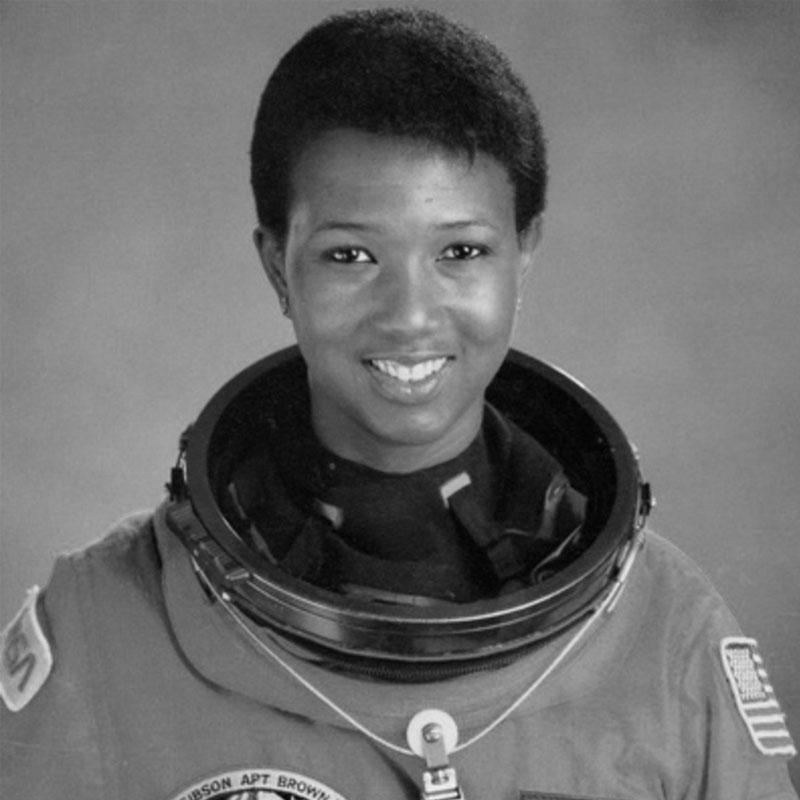
On graduating from Stanford with a degree in Chemical Engineering and African-American studies she struggled with the choice of whether to become a professional dancer or to pursue a career in Medicine.

She was accepted to Cornell Medical School and continued to study dance whilst training as a doctor. She travelled to Thailand to work at a Cambodian refugee camp. And worked as a General Practitioner in the Peace Corps in Liberia and Sierra Leone.

In 1987 she joined NASA and became the first black woman to travel into space. On leaving NASA in 1993 she founded a technology research company, named after her mother, and later formed a non-profit educational foundation. She is a strong advocate of science education and encouraging students of ethnic minorities to become interested in science.

She fervently campaigns against health inequality. She has written several books for children and is deservedly honoured in the National Women’s Hall of Fame and the International Space Hall of Fame.

Women Medical Pioneers who inspired us - Mae Carol Jemison